
Is Touring Still Sustainable?
- STUDIO814

- May 12, 2025
- 3 min read
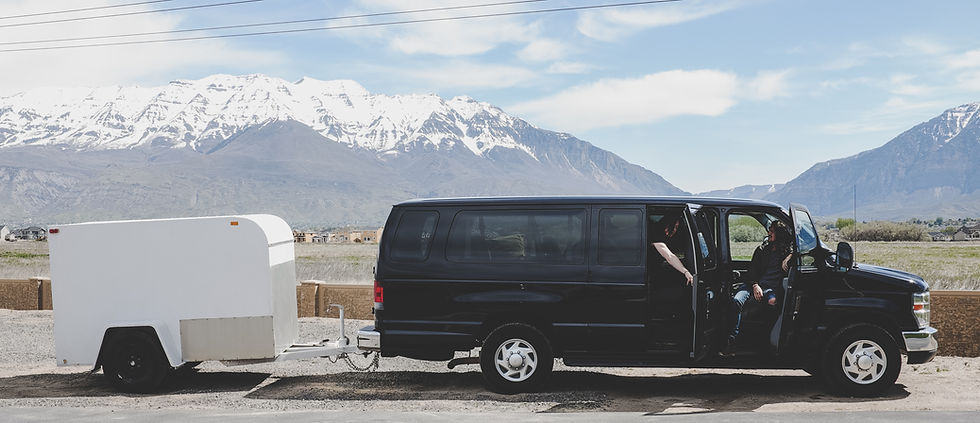
Touring used to be the backbone of a music career. It was where artists made their money, grew their fanbases, and proved they had real-world presence — not just plays. But in 2025, the landscape has changed. A lot.
Costs are up. Attention is down. Burnout is everywhere. And even with sold-out rooms, many artists are walking away from tour runs in the red.
So here’s the question a lot of musicians — especially indie and mid-level — are asking now:
Is touring still worth it?
The Money Doesn’t Add Up Anymore
A 20-date tour used to mean breaking even, maybe even pulling a profit — especially if merch sold well. Now, that same tour is a logistical nightmare.
Cost Breakdown: Independent Artist on a Small Venue Tour (2025 estimates)
Van rental + gas (3 weeks): $4,500
Hotels (cheap, split): $2,800
Meals (band of 3–4): $1,500
Venue cuts + booking fees: $2,000
Merch printing (shirts, vinyl, posters): $3,000
Crew/driver/stage help (if any): $1,500
Emergencies, parking, tolls, etc.: $1,200
Total: ~$16,500
That’s before you pay yourself, and before you count on ticket sales that might not materialize — especially when fans are picking between a dozen shows in the same month and everyone’s broke.
Big artists still earn. Stadium tours gross millions. But they’re the exception. Everyone else is gambling.
The Physical and Mental Cost Is Even Higher
Touring is exhausting. Physically, emotionally, logistically. It’s long hours, bad sleep, constant travel, pressure to perform night after night — even when you’re sick, anxious, or just burnt out.
In the last couple years, artists like Arlo Parks, Sam Fender, Mitski, and Justin Bieber have publicly scaled back or canceled tours for mental health reasons. And no one’s judging. If anything, the reaction was relief: finally, someone said it out loud.
Even for the most committed artists, 200+ nights a year on the road isn’t just unsustainable — it’s potentially damaging.
The Streaming ≠ Ticket Sales Problem
Having 500,000 monthly listeners doesn’t mean you can sell 500 tickets. That’s the cold math a lot of artists are learning the hard way.
Social media visibility and algorithmic reach create the illusion of a massive fanbase. But real-world ticket sales still depend on active, local, invested fans — and those are harder to come by when the attention span of the internet resets every 10 seconds.
Fans love the music. But asking them to leave their house, spend money, coordinate schedules — that’s a higher bar than ever.
The Environmental Toll Adds Another Layer
Touring — especially at scale — leaves a footprint. Trucks, planes, gear, energy. A full band on tour means a constant stream of emissions, plastic waste, and resource use.
Some artists and festivals are making an effort — carbon offsets, reduced travel, greener riders. But most of the industry is still ignoring the issue. And for artists who care about sustainability, that contradiction hits hard.
A Better Way? Artists Are Getting Creative
In response to all this, a growing number of artists are experimenting with alternative models:
Residencies – Instead of hitting 15 cities, stay in one city for five nights. Cheaper, less stressful, more focused.
One-off “event shows” – Instead of touring for six weeks, play three high-impact shows, film everything, and turn it into digital content.
Livestream shows + merch bundles – More intimate, less expensive, with global reach.
Local fan activations – Pop-up listening sessions, gallery shows, collabs with local artists instead of full sets.
Digital-first communities – Building revenue through Patreon, Discord, or Substack instead of constant travel.
These aren’t replacements for live performance. But they’re real options — and for some artists, they’re more sustainable than the classic van tour.
Touring Isn’t Dead — But It’s Not Default Anymore
In 2025, touring has become a conscious choice, not an assumed rite of passage. For some, it’s still the best part of the job. For others, it’s a source of debt, burnout, or disillusionment.
The industry needs to adjust. Fans need to understand the cost. And artists need to feel empowered to create sustainable careers that don’t rely on physical exhaustion to stay relevant.
Touring can still work. But it needs to evolve.
Because the old grind? That doesn’t serve the artist anymore.


Comments